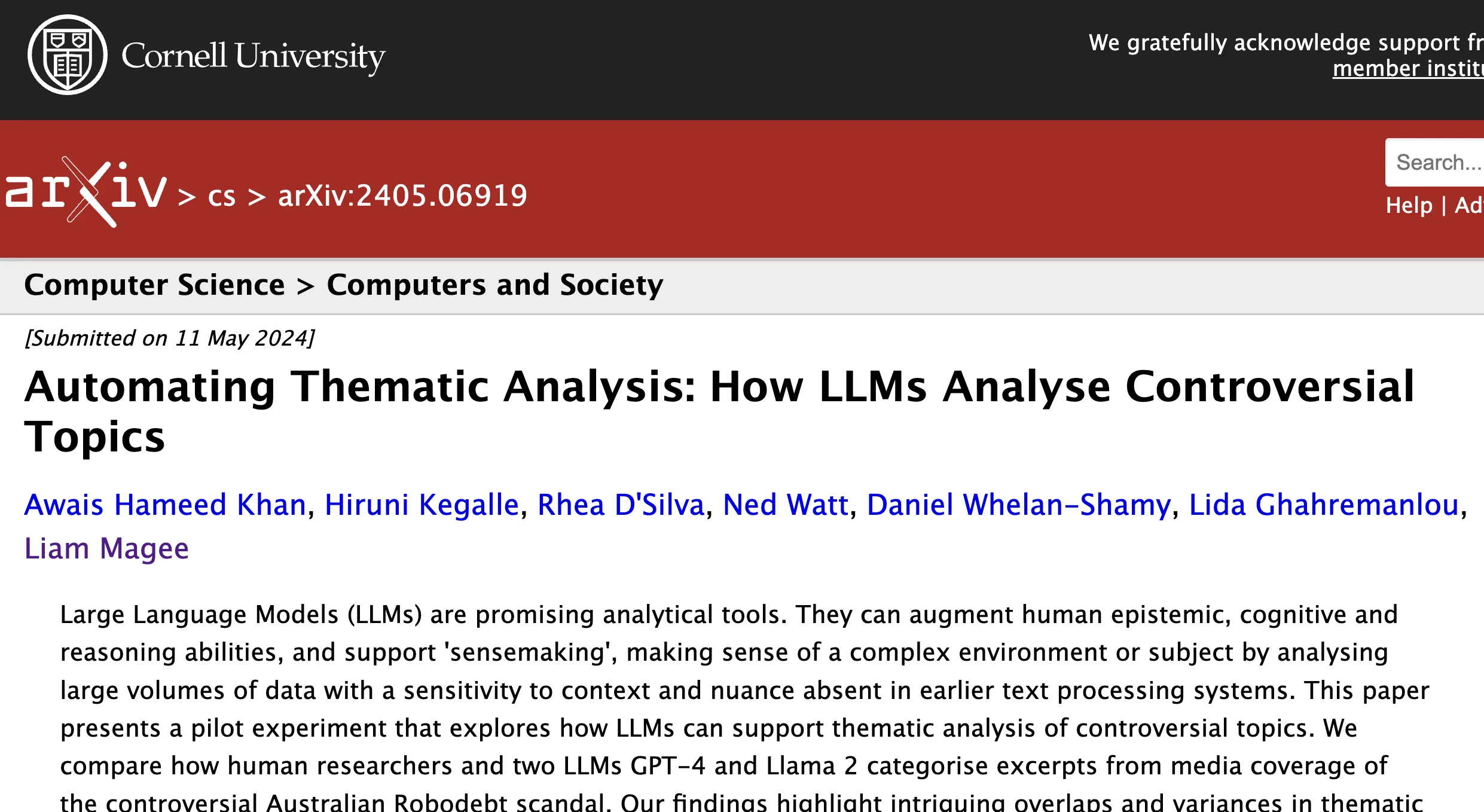
Human vs LLM thematic analysis: - Algorithms are biased - but run
against human bias - Coding fatigue - too many themes, sense of
duplication, saturation - The machine doesn’t tire… related but
different biases
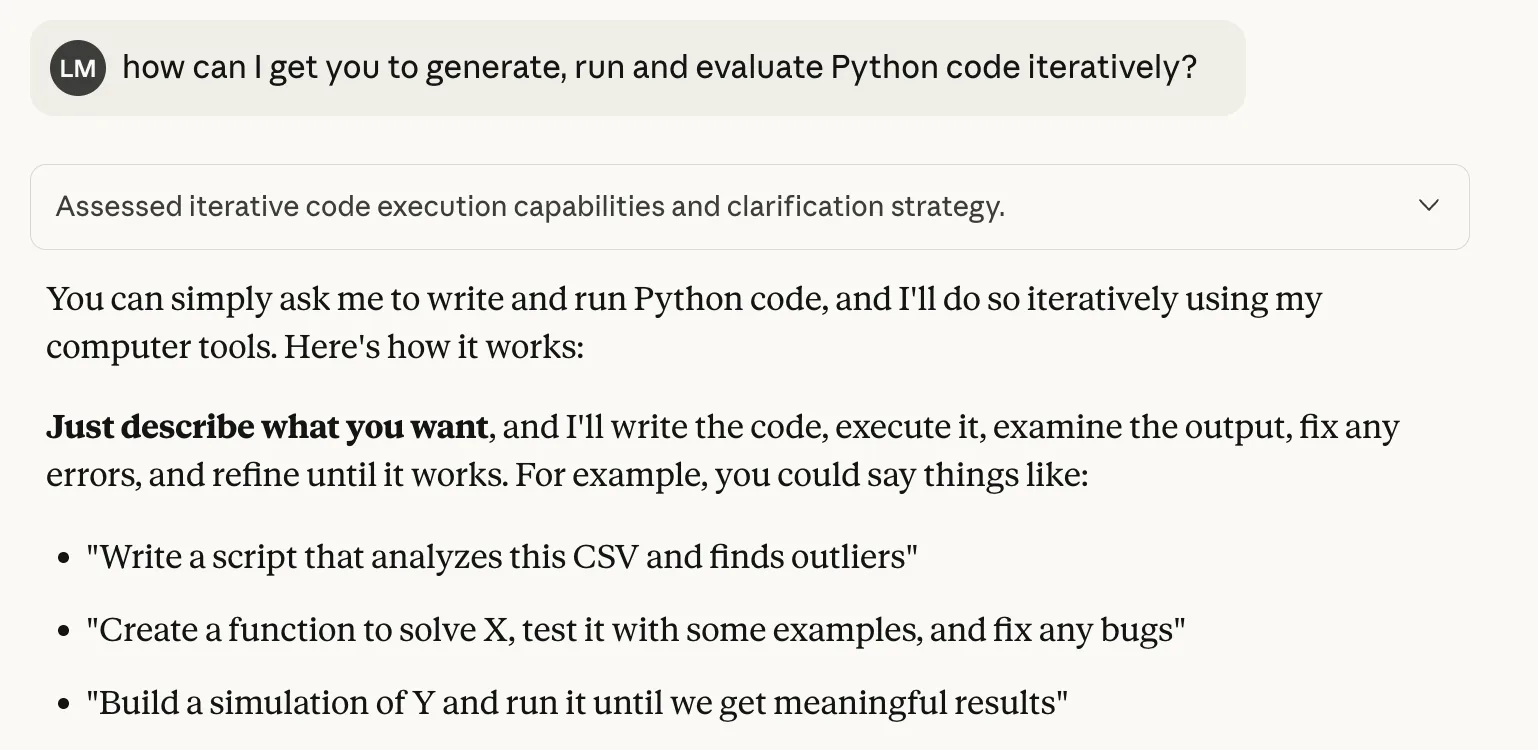
Common approach now to problem-solving - so-called “neuro-symbolic”
reasoning
LLM + tools - specifically Python
Solve some problem - watch AI generate, run & evaluate Python
code
ImageImage
Social Science Survey
Research
Design surveys
Generate code and sample data for survey analysis
Compare results to the literature
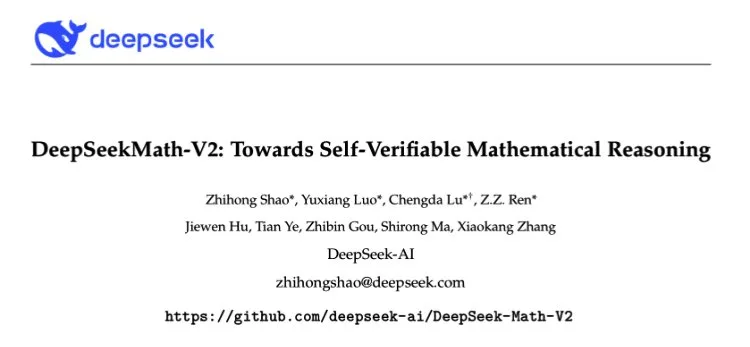
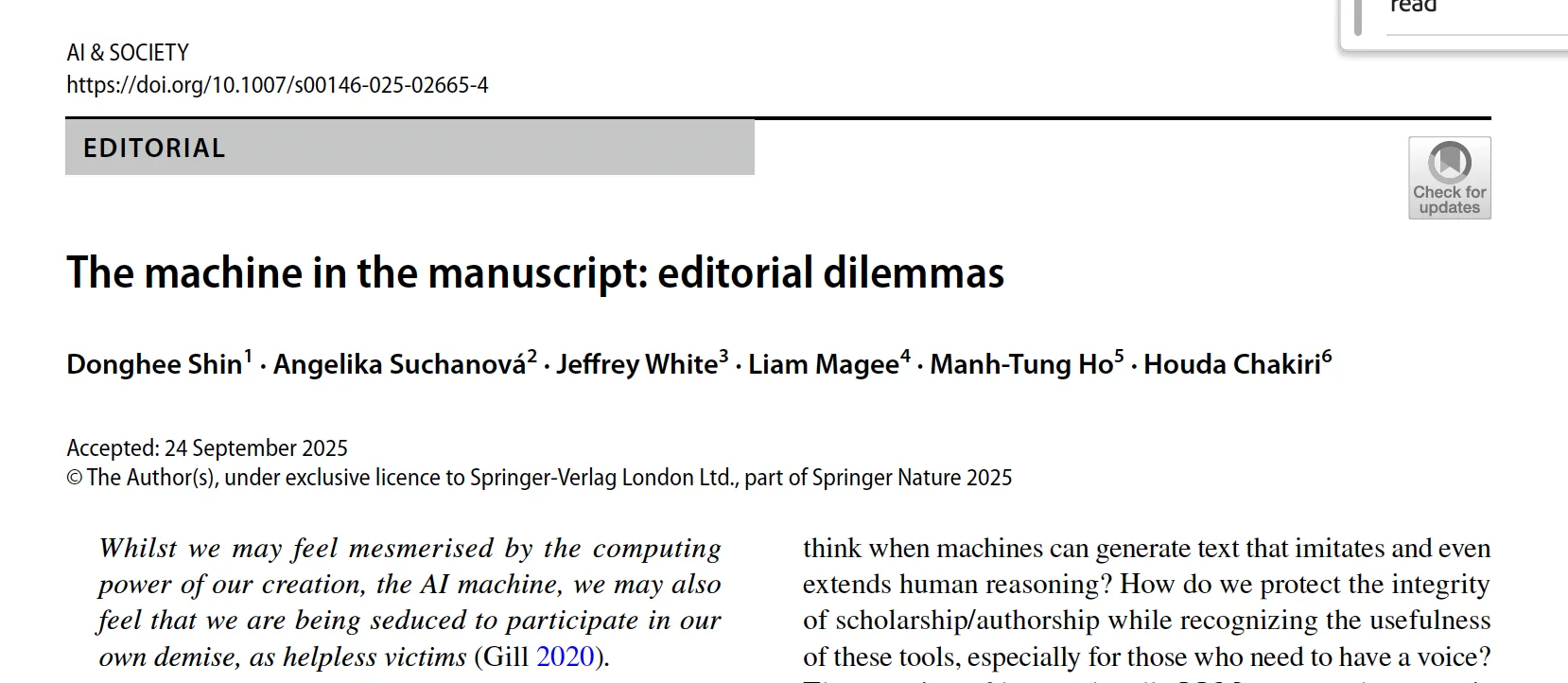
Crisis: LLM-generated
knowledge
Huge amounts of AI-generated submissions to journals
“who, aside from the algorithms themselves, would want to read this
LLM-generated content?”
Image
The Problem of Assessment
Why do we assess academic performance?
Does it make sense in the age of AI? What about Artificial Super
Intelligence?
Think of the entire apparatus of the education “industry”: rubrics,
criteria, marking, validation?
What are we even assessing? Individual aptitude, historical
priviledge? Or the specific confluence of individual X with
AI Y?
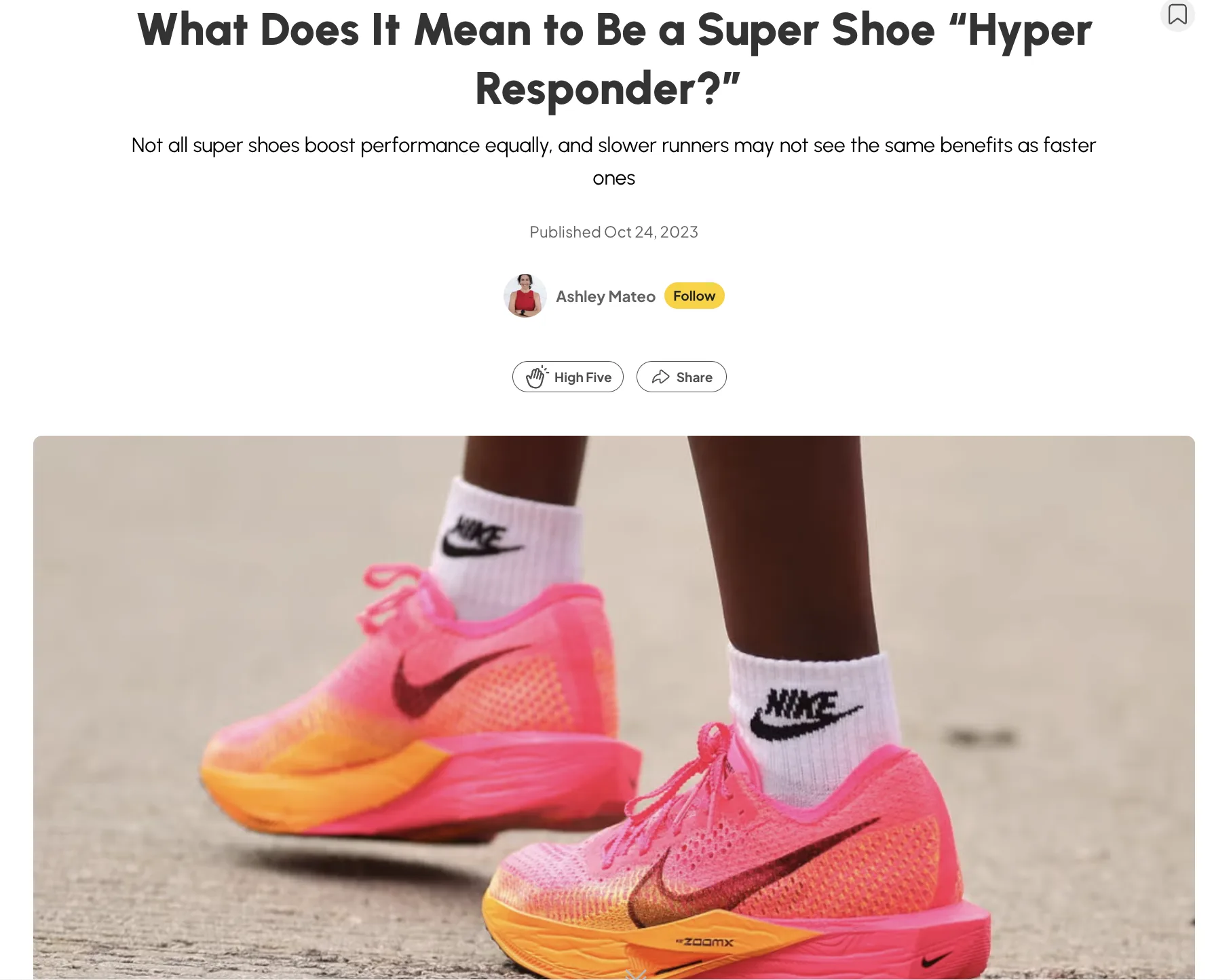
Analogy: “High
Responders” to Technology
Example: Nike’s “supershoes” - some people respond better than
others
Are some of us “high responders” to AI? Can
What is the role of assessment in preparing for a future of work? Is
it just an arbitrary ranking?
Image
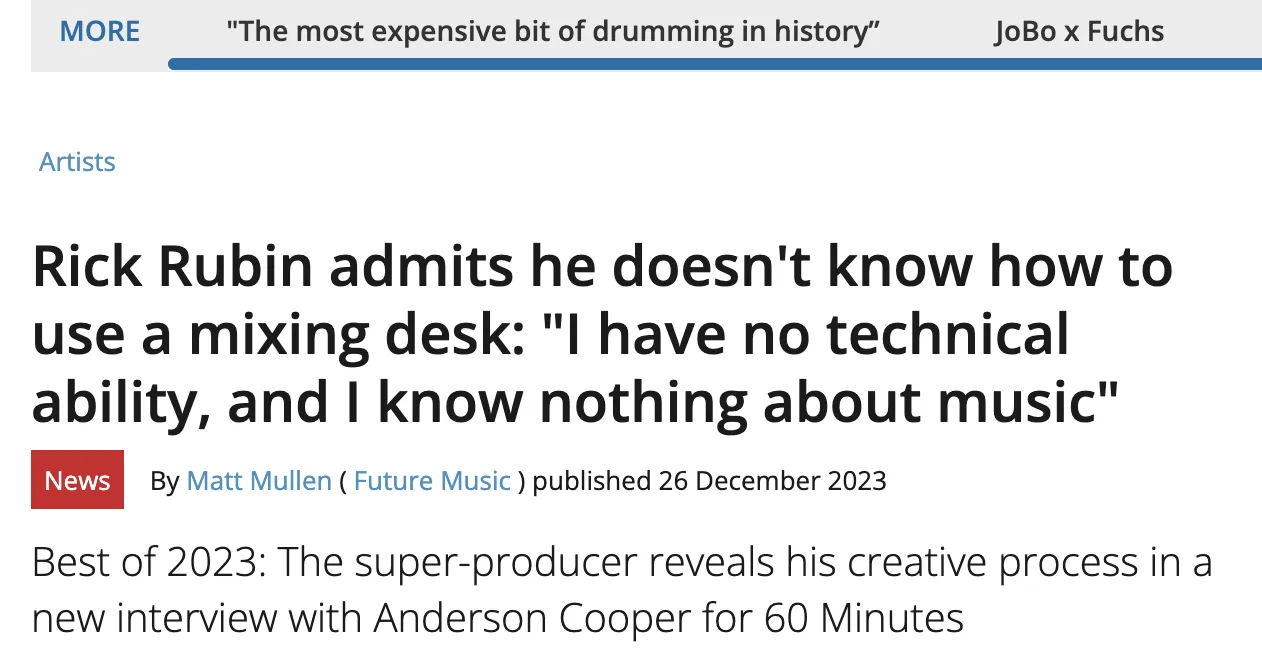
“Vibe” is perhaps a serious
skill…
What does Rick Rubin (music producer) actually “know”?
In scholarship: developing a “feel” for questions worth asking - and
how to answer them
Important? AI accelerates locating dead ends…
This is not the gap you think it is.
Image
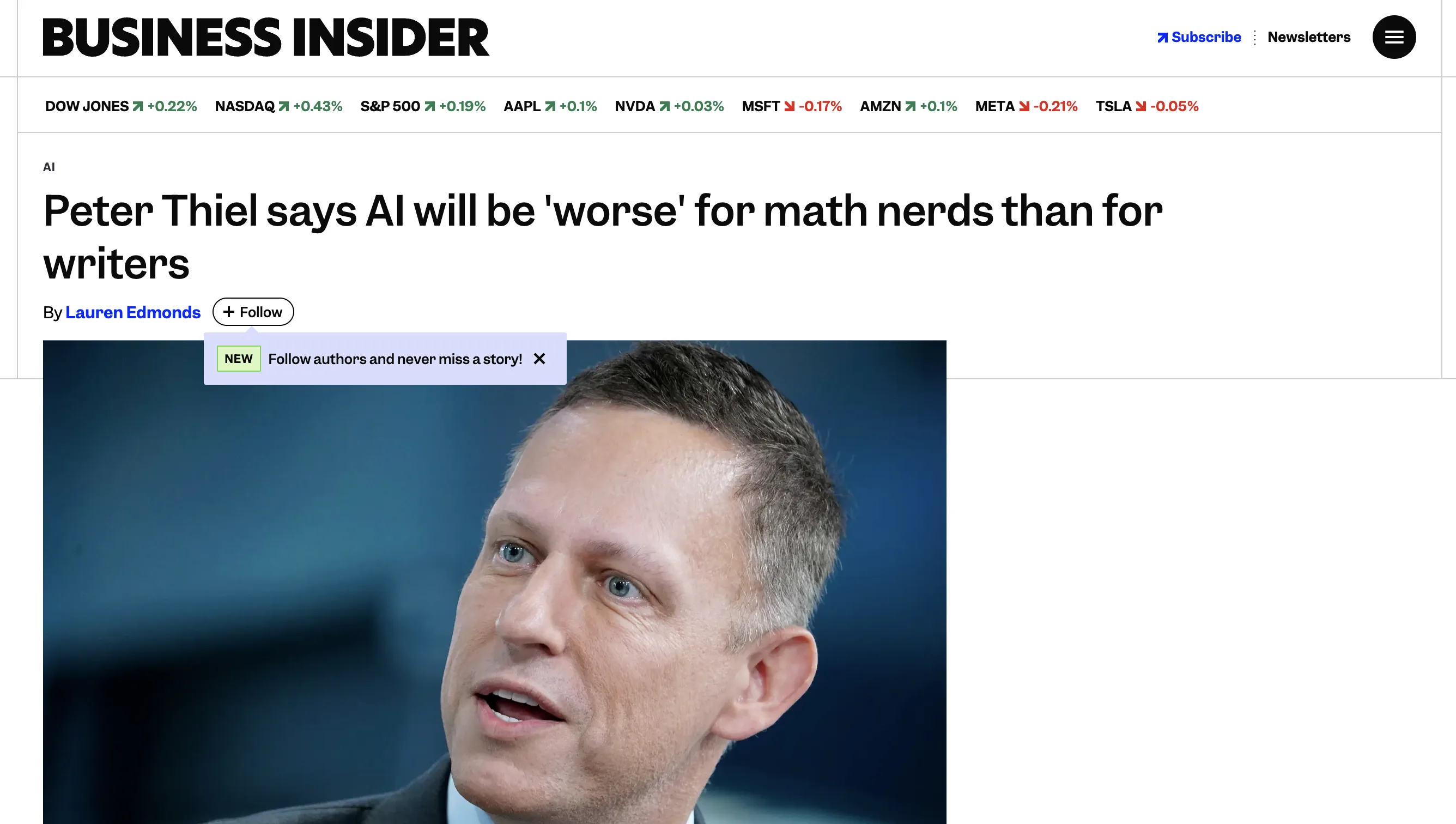
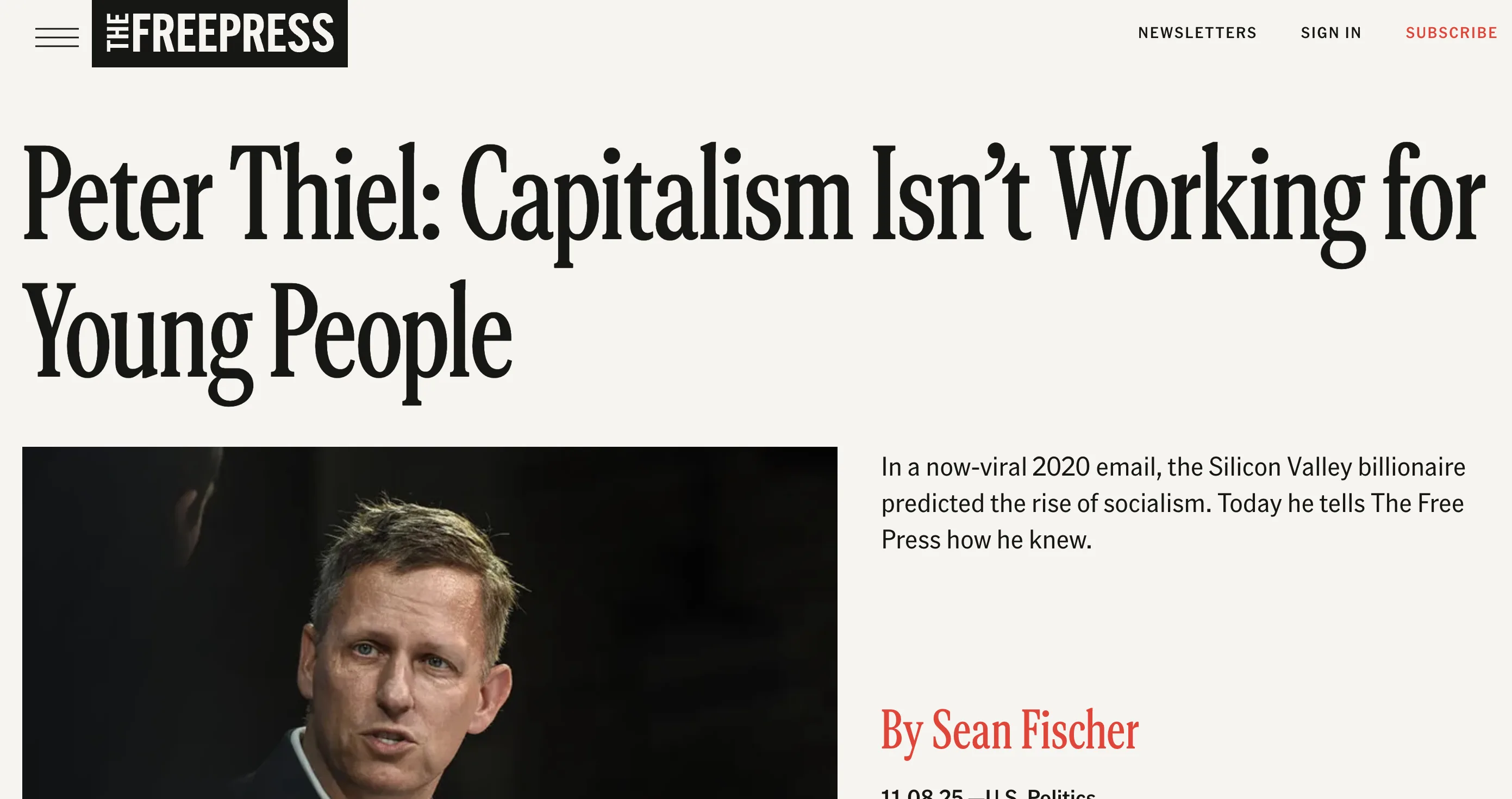
From the Heart of Silicon
Valley…
ImageImage
Skills are always “Meta”
Skills
My bias: develop the liberal arts - these are the “super shoes” /
meta skills for an era of LLMs
AI literacy = general literacy? The more “expressive” you are, the
more you can make a LLM “sing”.
Perhaps these skills are not really that assessable
What difference does it make? What does a world without
differentiation (skills, work ethic, etc) mean?
Implications? The
Post-Assessment Age
Does everyone just get a free car now? The return of the “planned
economy”
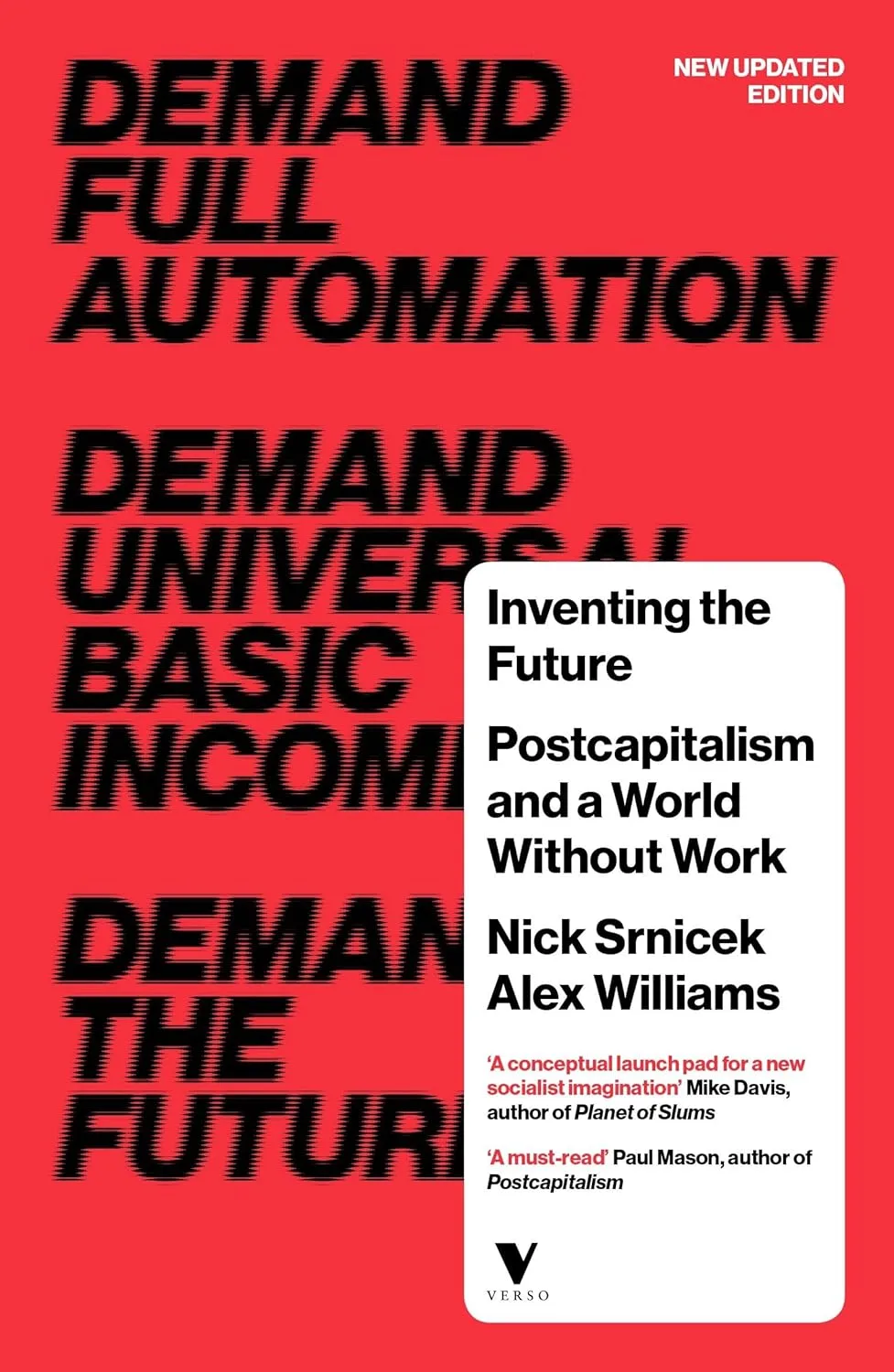
ImageImage
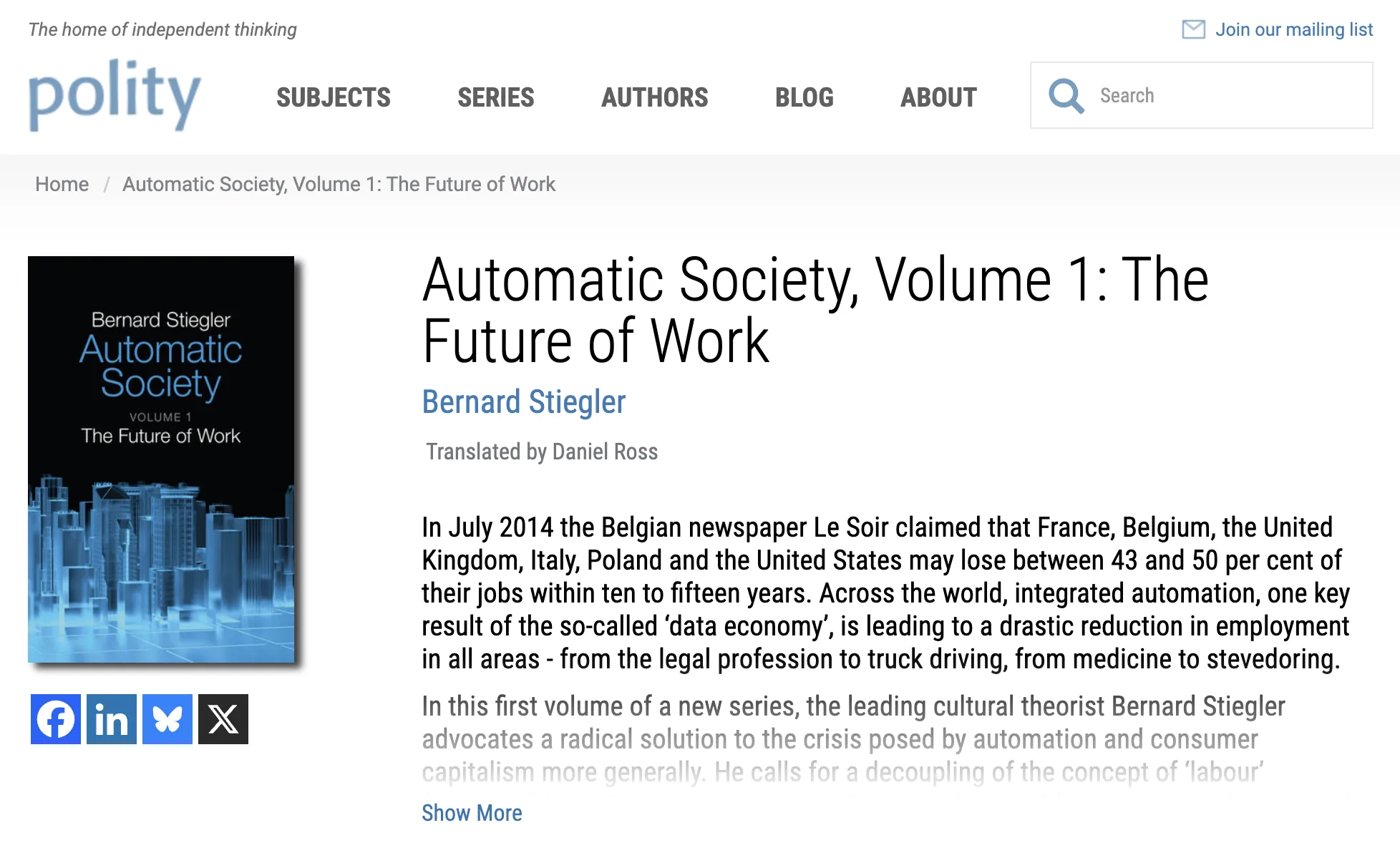
Stiegler’s Nightmare
The Automatic Society
Proletarianization:
From loss of ownership (Marx - means to production) to loss
of knowledge (more literally “savoir-faire”: know-how)
Connected also with the rise of knowledge economy,
immaterial labor: work is now cognitive, informatic -
susceptible to automation by artificial cognition
Plato’s Pharmakon: writing is poison (destroys memory) but
also cure (sustains memory)
Technology leads to collective loss of knowing-how - Can be
“cured” by alternative organizations of technology and social conditions
(but how? answers are non-specific, strangely reactionary)
Ruha Benjamin’s Race
After Technology
“Abolitionist Tools”
Translation to scholarly contexts: thinking AI as a
liberational technology - non-competitive knowledge without
assessment, careerism, quantification, discrimination
Image
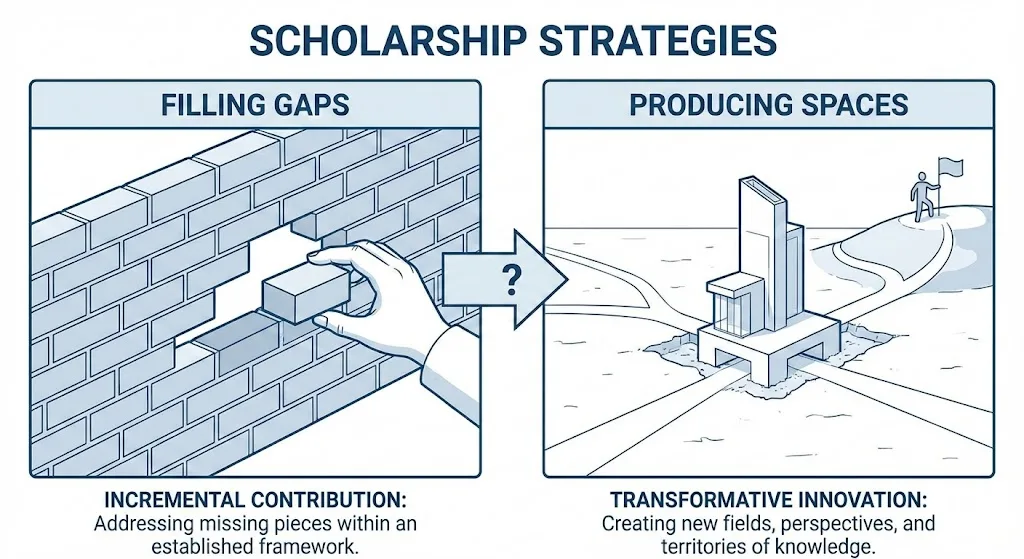
Filling gaps vs Producing
spaces
Perhaps: to re-thinking knowledge beyond a logic of accumulation
(the metaphor of filling “gaps” might be a trap for us here - as through
knowledge is a container)
Instead focus on knowledge as creative, expansive - instead
producing gaps, spaces - fractal metaphor
Image
What does this all mean?
AI is disruptive, threatening: to what we think of as the correct,
established ways of doing things can be accelerated, automated.
De-stabilized (already low) confidence in academic institutions -
anyone now can produce a report
Yet now indispensable to the work of scholarship
Requires new fundamental orientations toward the purposes and
methods of scholarship, knowing…
Final assignment
My emphasis on this course is on the workshop
nature of the material - aims to prepare for general / special field,
other literature review work
Grading will be indicative of this
What is an “A”?
Roughly 1 - 1.5K words - use of
concise language
Heavy use of signposting / metadiscourse
Demonstration of clear principle of organization
(thematic / chronological / developmental etc)
Appropriate use of language for the apparent
audience
Some sense of an independent and critical stance
toward your material
Statement of gap filled (or space to be
produced) by your research
And the persuasiveness of this statement, given the
preceding evidence from the literature
Due acknowledgement of AI
I won’t know your field: I won’t be grading on whether you include
everything
Activity: Dialectical
Exchange
Background: What is the dialectic?
Socratic dialectic - find the truth via relentless questioning
(think: TV lawyers)
Truth is “whittled away” from the error that surrounds it
Question (Socrates) and answer (respondent) progressively move
towards the truth (truth is journey / process)
Hegelian dialectic: same idea, but more formal:
Thesis: the current status quo
Antithesis: an opposing view
Synthesis: the reconciliation of thesis and
antithesis
Following Claude’s example we are going to develop a fancy multipart
prompt: - Assignment (from the syllabus) - Criteria - Assessment -
Review Synopsis - Review Structural Principle - Review Audience -
Dialectic Prompt
Why so fancy?
Variants on the Dialectic
Prompt
I need to write this literature review. Don’t write it for me.
Instead, be my dialectical guide. Using criteria, structural principle
and audience, help me develop the synopsis into an ‘A’ grade paper!
Be my Socratic dialogue partner.
I want to illustrate for a class the process of the dialectic, with
AI as partner / guide. Below is a synposis of a literature review. Let’s
call this the “thesis”. Can you examine this thesis, engaging in a
dialectical process to pose an antithesis - then help arrive at a
synthesis?
Final Literature Review (40%)
Throughout the course you will develop a literature review around a
research topic and question of your choice. This may relate to a future
dissertation topic or question, or some other research question. In
total, the Literature Review should be 6-8 pages in length.
• Develop novel, significant and feasible
research question • Compile relevant map of the field relating to the
research question • Choose and apply appropriate citation practices
(science / humanities / mix) for question & field • Use framing /
signposting / metadiscursive language • Show reflexivity as a scholar •
Acknowledge and demonstrate appropriate use of AI • Use all of the above
to highlight a plausible gap in the literature
- What is an “A”? - Roughly 1.5 - 2.0K
words - use of concise language -
Heavy use of signposting / metadiscourse -
Demonstration of clear principle of organization
(thematic / chronological / developmental etc) - Appropriate use of
language for the apparent audience - Some sense of an
independent and critical stance toward your material -
Statement of gap filled (or space to be
produced) by your research - And the
persuasiveness of this statement, given the
preceding evidence from the literature - Due
acknowledgement of AI In
this review, I begin by outlining current research on the technical
performance and global expansion of LEO satellite networks. I then
examine scholarship addressing digital inclusion challenges in
underserved regions, highlighting persistent infrastructural and
socioeconomic barriers. I further explore studies on technology-enabled
learning initiatives, emphasizing what is known—and what remains
speculative—about satellite-supported education models. Finally, I
demonstrate that while these bodies of research each contribute
important insights, none sufficiently integrate technical, social, and
pedagogical perspectives to explain how LEO satellites can equitably
support learners in remote communities. As a result, this review
establishes the need for a unified, implementation-focused framework
that bridges technological capability with educational equity.
The literature review
will be organized according to theme. Tech-savvy but critical scholars. Probably trained in
STS (Latour, Law, Benjamin etc). I
need to write this literature review. Don’t write it for me. Instead, be
my dialectical guide. Using criteria, structural principle and audience,
help me develop the synopsis into an ‘A’ grade paper!
</dialectic_guide
Re-cap on course purpose
Dual: - ERAM - focus on mechanics, technical detail of the literature
review - But also examine how AI is being worked into practices of
scholarship - and to be attentive and crtical towards that - Future is
complex, challenging - “cyber-social” – with mixed effects and
opportunities - Need for critical AI literacies - stay vigilant!